
West Africa-Asia Capital Dialogue, 15 October 2026
From Dialogue to Deployment: Bangkok Advances Africa-Asia Financing
Global Markets and EBID convened African financial leaders and major Asian institutions to translate trade relationships into bankable financing.
Dr Paul Terna Gbahabo
Director, Research & Thought Leadership, Africa-Asia
- Date
- 15 October 2026
- Venue
- InterContinental Bangkok, Thailand
- Convened by
- Global Markets and the ECOWAS Bank for Investment and Development (EBID)
Africa’s economic ties with Asia are extensive and increasingly diversified. Selected indicators illustrate the scale of these relationships:
- China: approximately US$218 billion in Africa-China merchandise trade in 2024.
- India: US$93.69 billion in bilateral merchandise trade in FY2025-26.
- Singapore: S$18.7 billion in bilateral trade with Africa in 2024, more than 50% above 2020.
- Japan: approximately ¥2.69 trillion (US$18 billion) in merchandise trade with Africa in 2024.
- South Korea: US$14 billion in export-financing support announced at the 2024 Korea-Africa Summit.
- Indonesia: US$2.09 billion in reported investment in African countries between 2019 and mid-2024.
Although these indicators reflect different reporting periods and measures of trade, financing and investment commitments, they collectively underscore the expanding scope of Africa-Asia economic engagement and the significant potential to mobilise additional Asian capital for Africa’s productive sectors and infrastructure development.
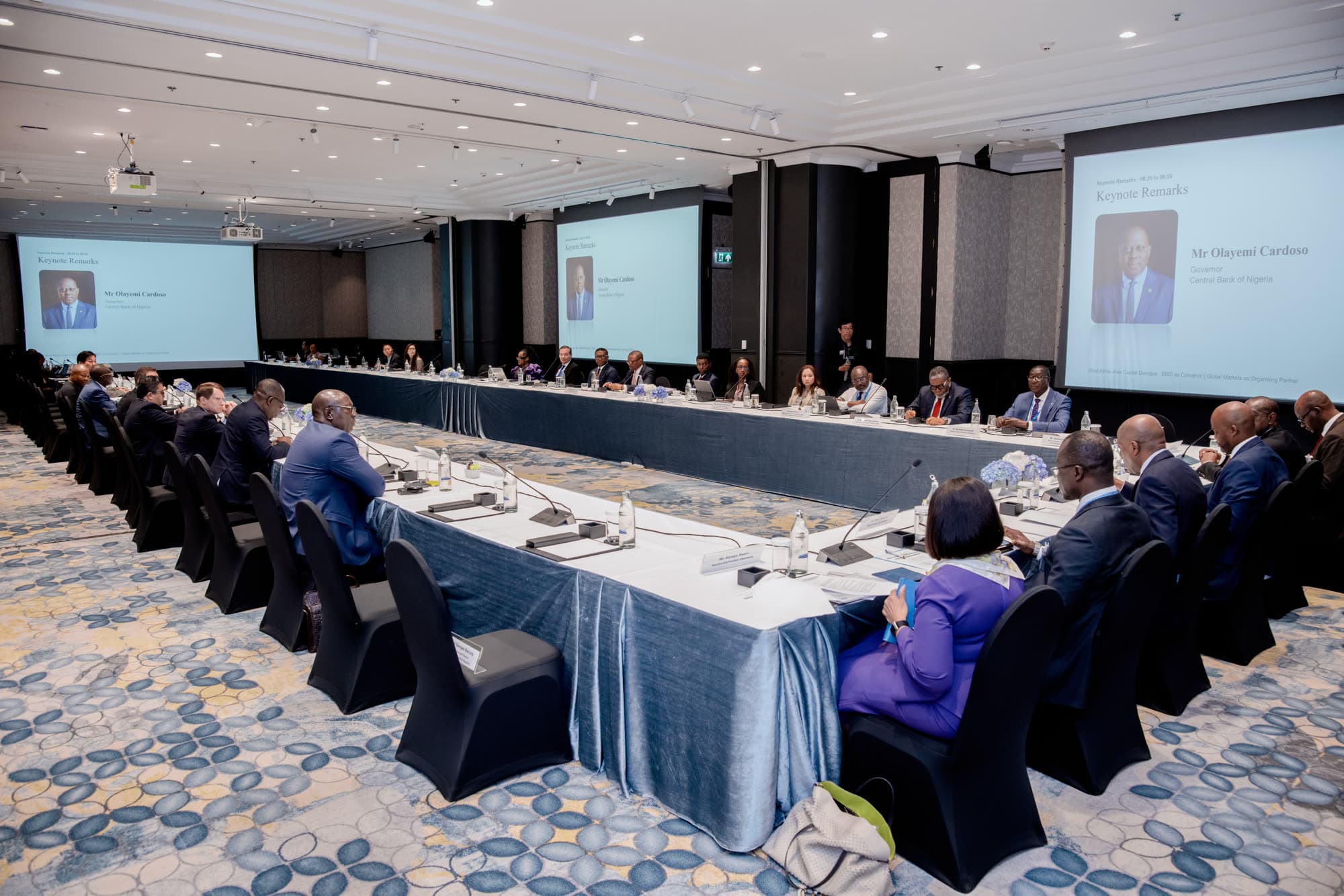
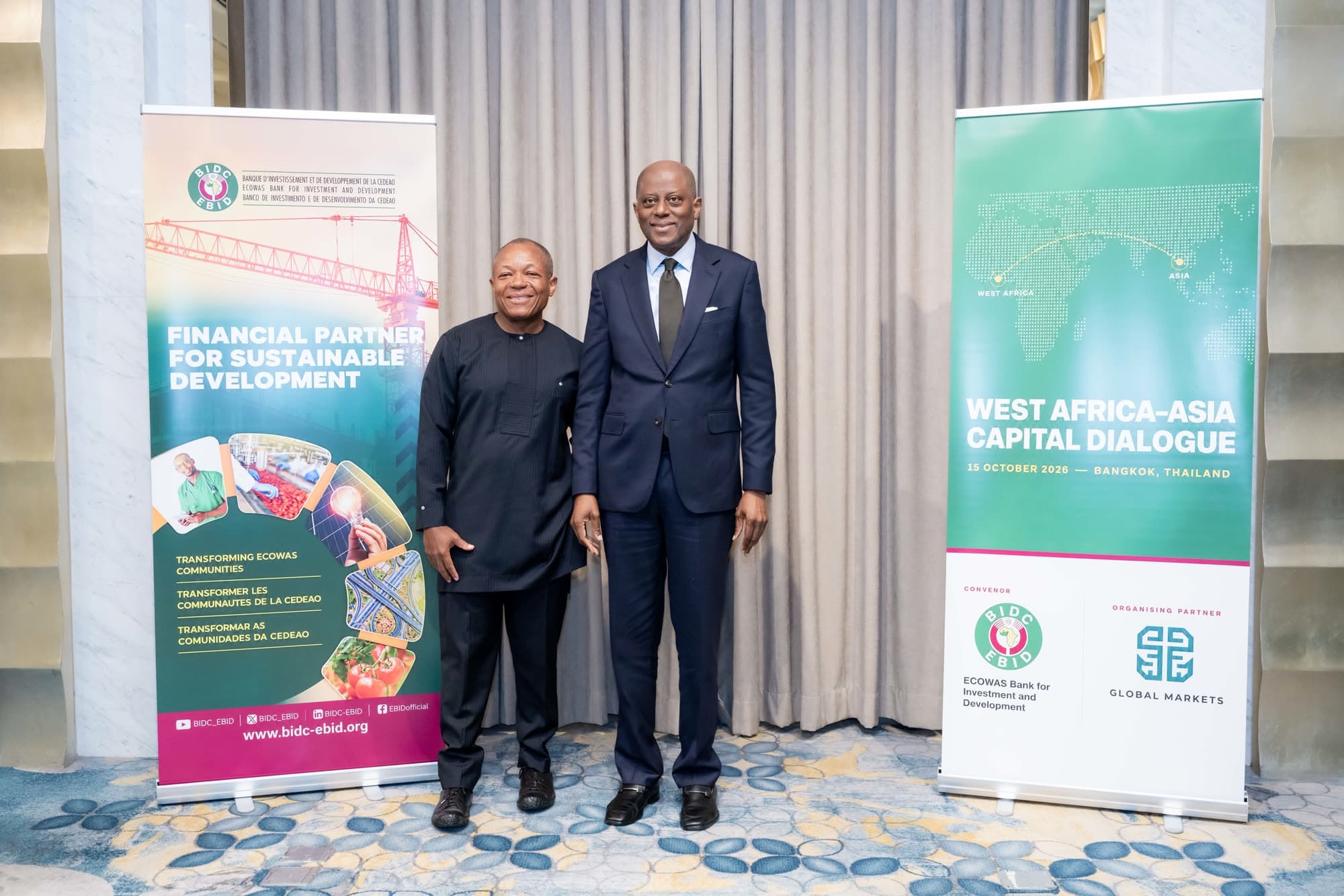
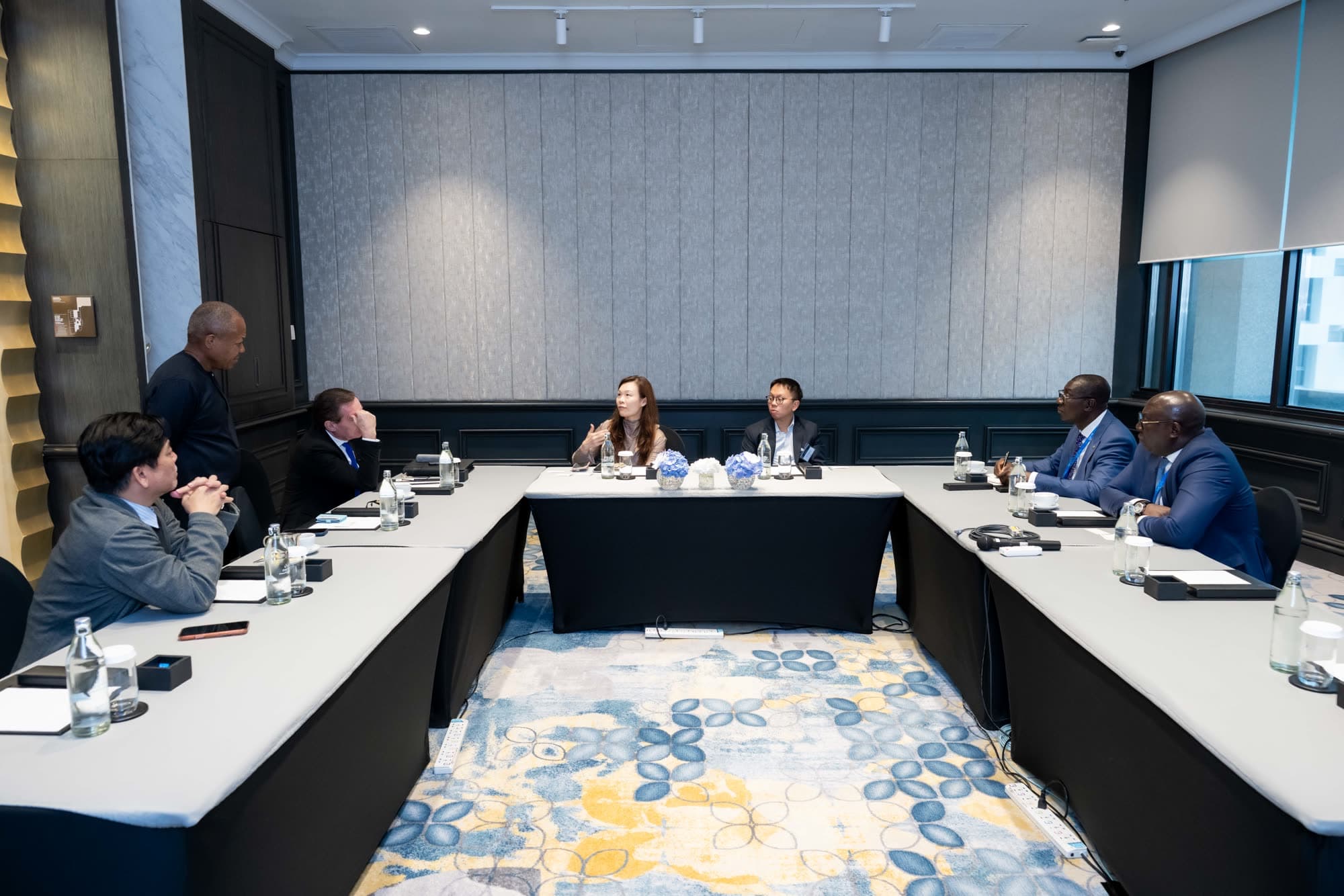
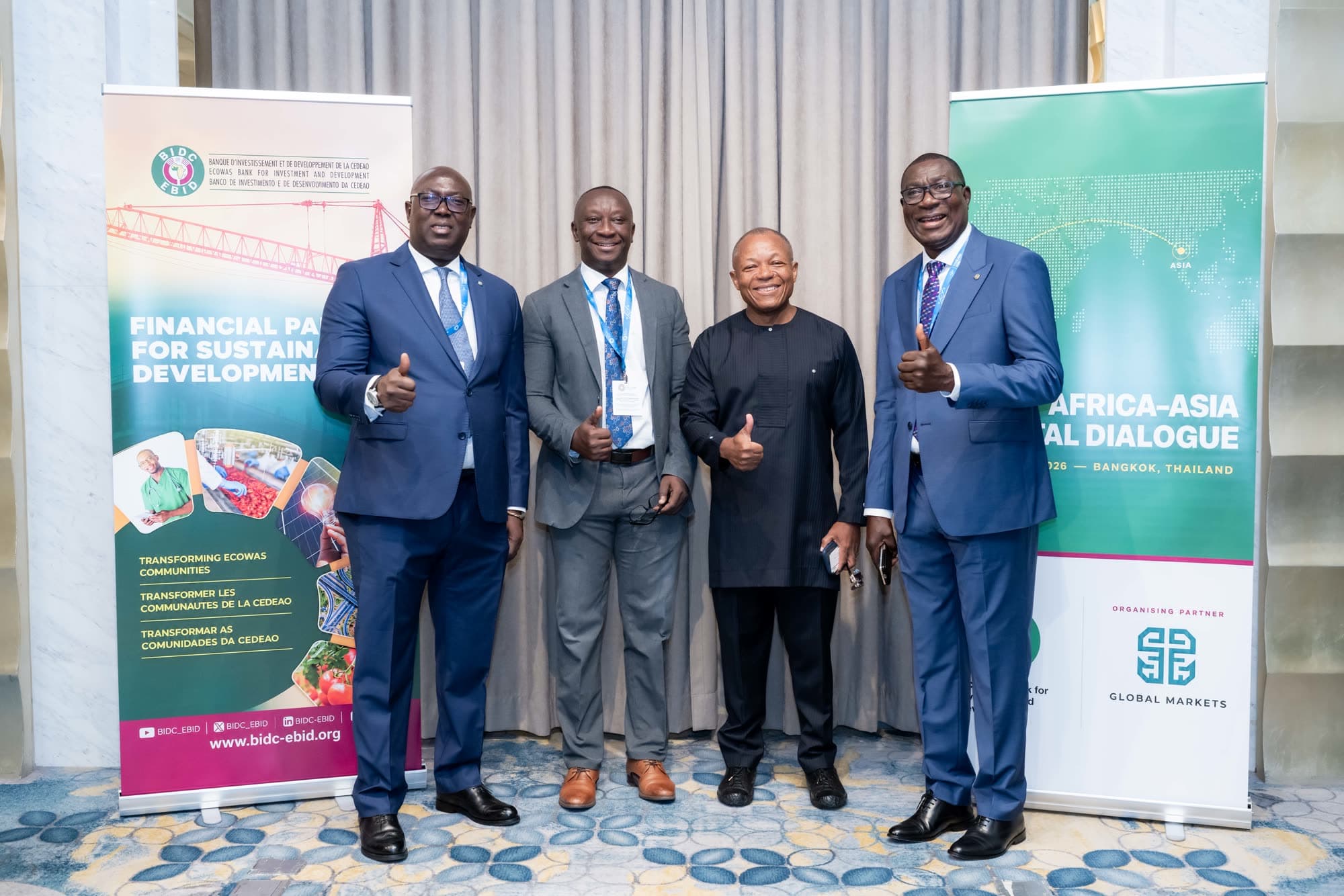
Against this backdrop, Global Markets and the ECOWAS Bank for Investment and Development (EBID) convened the West Africa-Asia Capital Dialogue at the InterContinental Bangkok on 15 October 2026. The private meeting brought together African policymakers, development finance institutions, risk insurers and Asian financial institutions to explore how established trade relationships can translate into bankable financing.
Discussions identified a potential pathway towards a financing transaction exceeding US$1 billion, with an indicative ambition to reach an executable arrangement within three to six months. This remains a prospective transaction, not committed funding, and is subject to eligible borrowers, due diligence, commercial agreement and institutional approvals.
Connecting institutions that can move capital
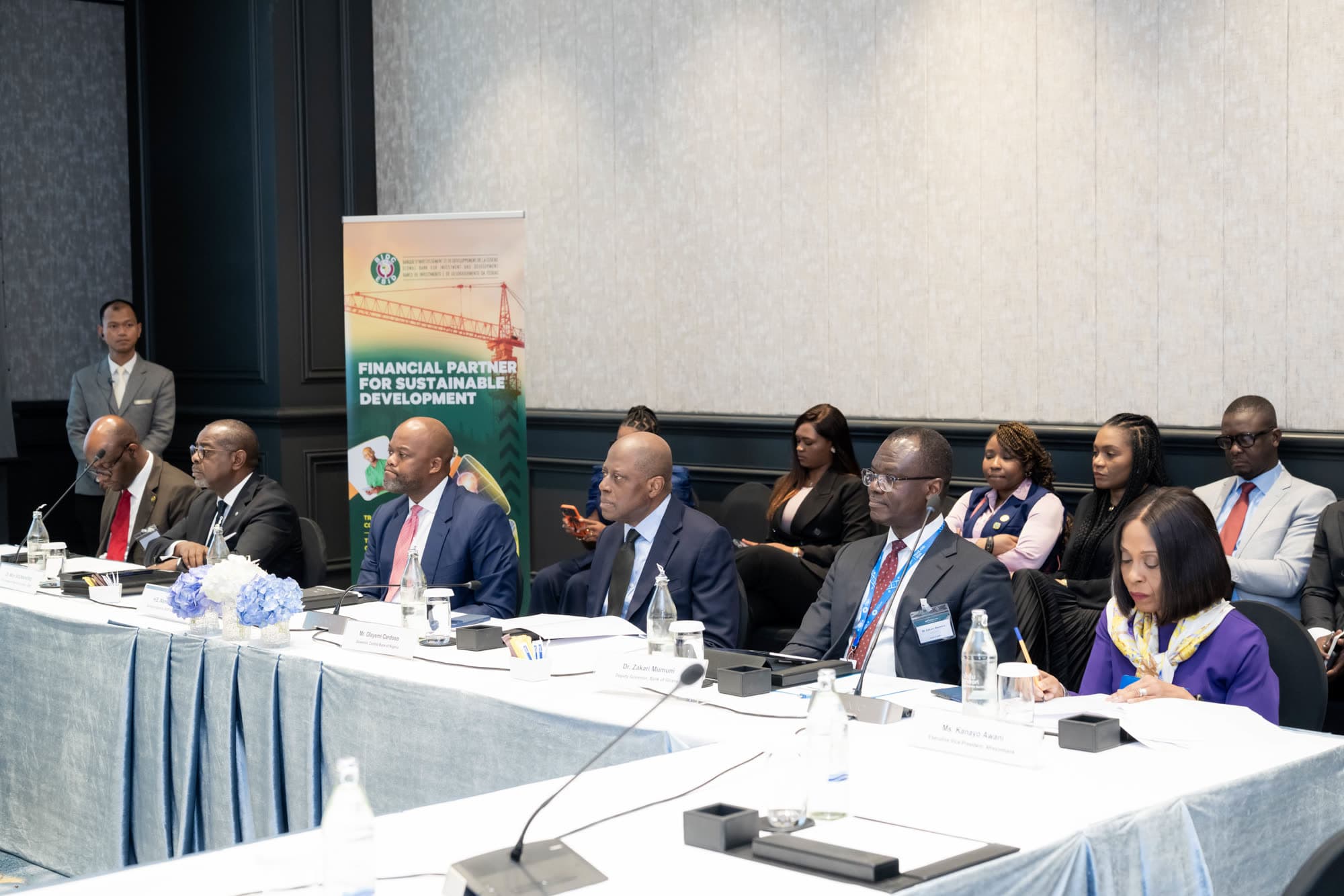
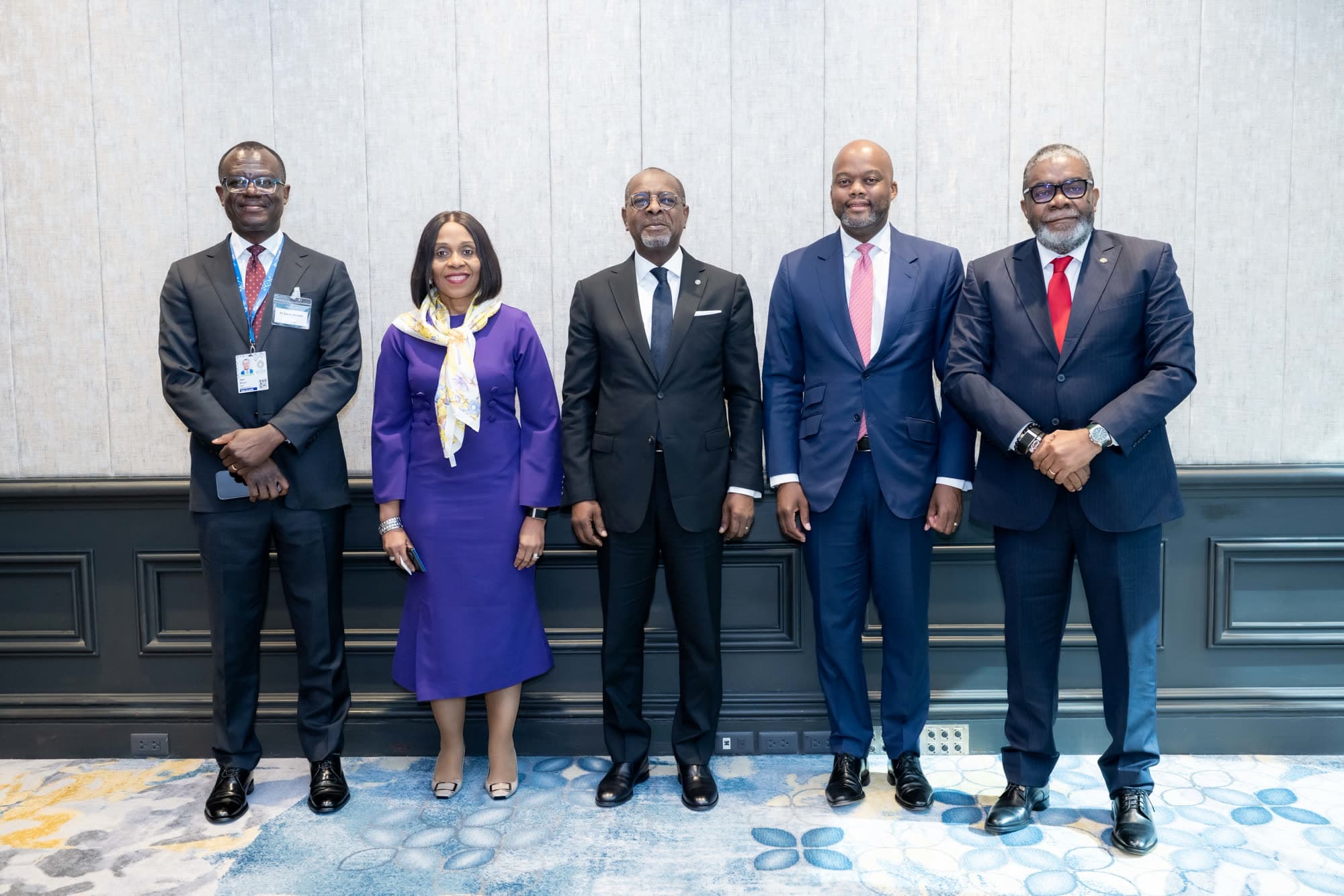
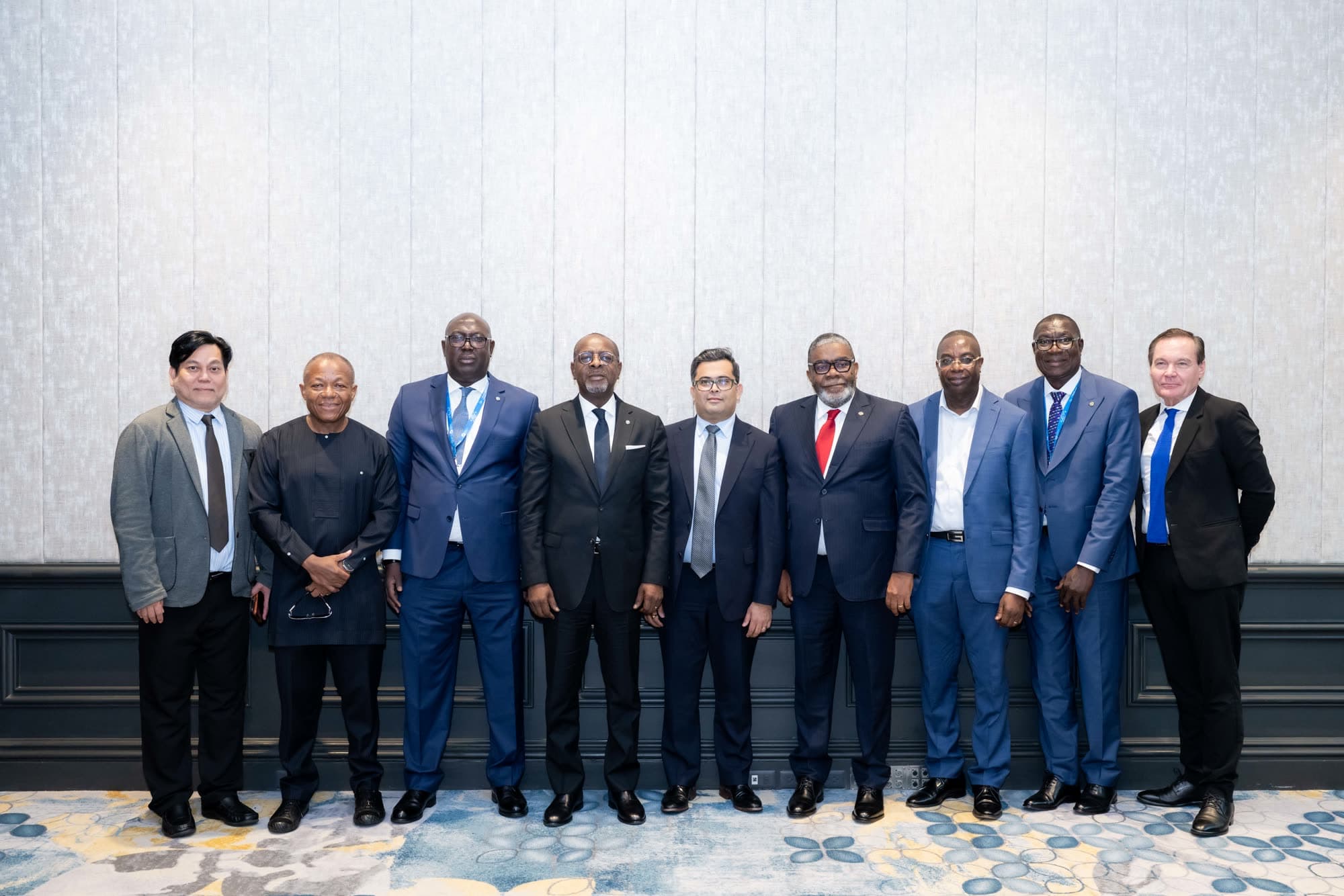
Participants included Olayemi Cardoso, Governor of the Central Bank of Nigeria; Dr Zakari Mumuni, First Deputy Governor of the Bank of Ghana; Dr Mory Soumahoro, Vice President of EBID, representing President Dr George Agyekum Donkor; Kanayo Awani, Executive Vice President of Afreximbank, representing President Dr George Elombi; Manuel Moses, CEO of ATIDI; H.E. Wamkele Mene, Secretary-General of the AfCFTA Secretariat; Allen Forlemu, IFC Regional Industry Director for Financial Markets; and Sopnendu Mohanty, Group CEO of the Global Finance & Technology Network. Representatives of MUFG, Industrial and Commercial Bank of China (ICBC) and Nomura also participated.
The institutional mix reflected a practical proposition: mobilising capital requires credible counterparties, appropriate financing instruments, risk allocation and a viable route to credit approval.
Four priorities for financing African growth
1. Policy credibility and investor confidence
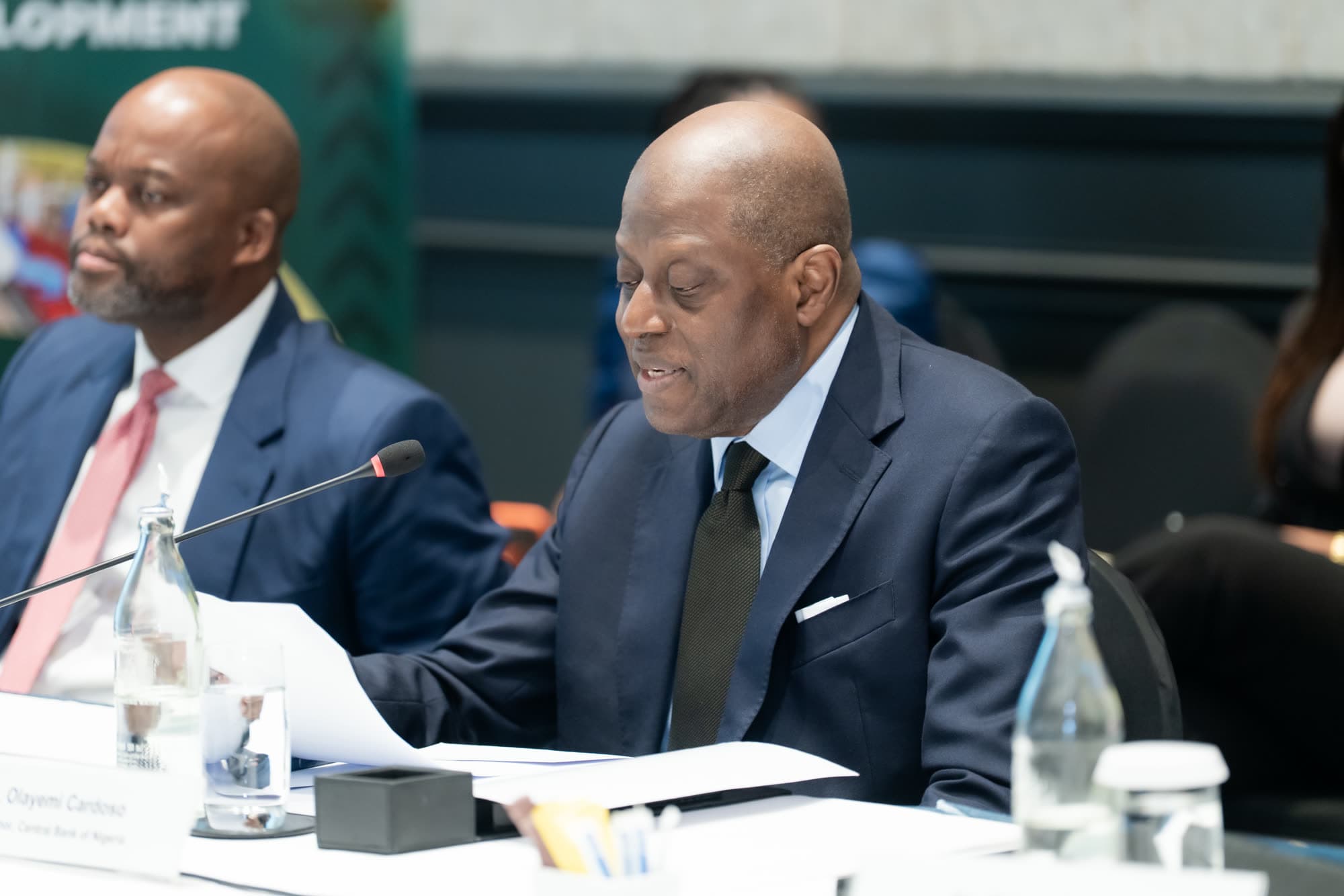
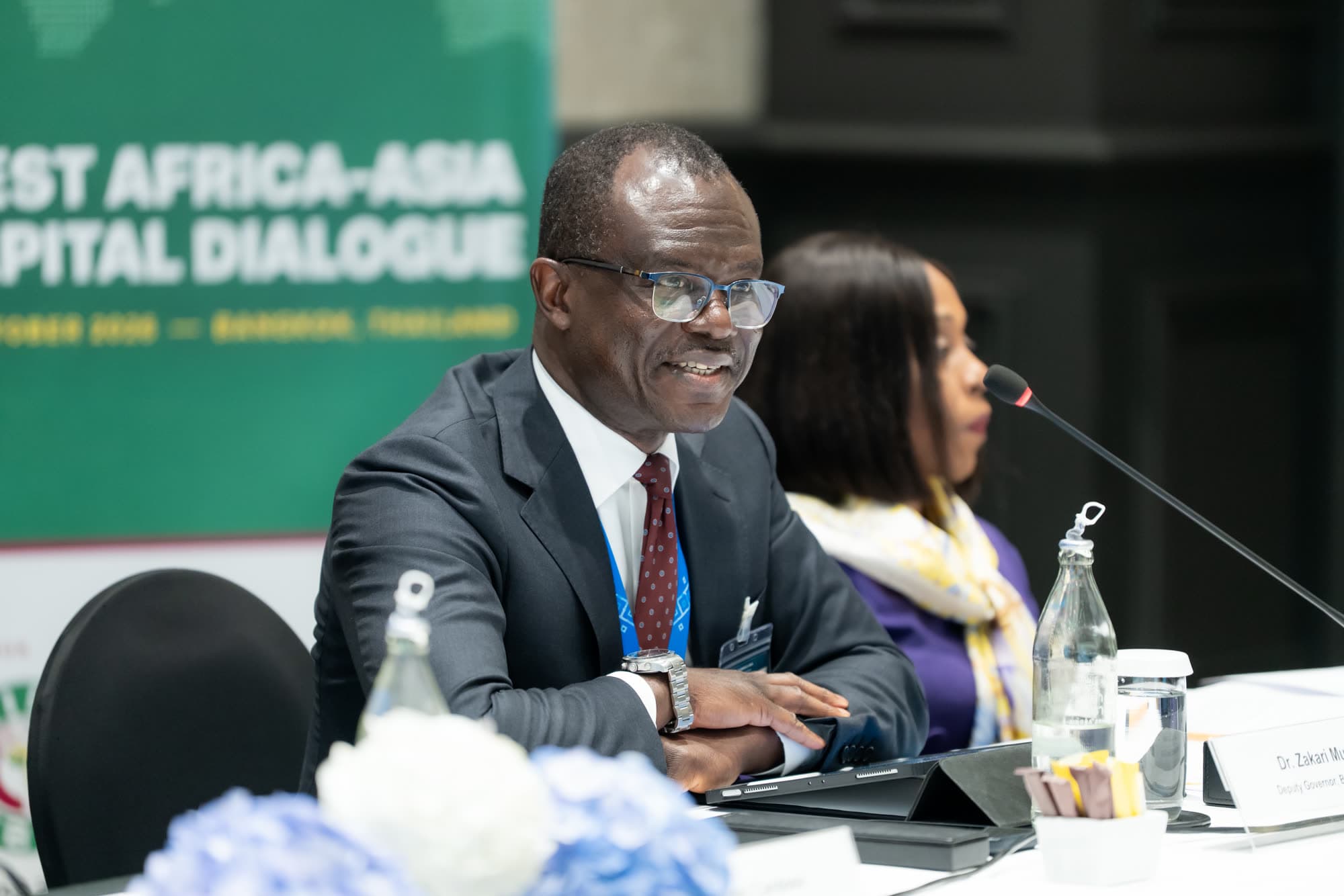
Investor confidence begins with predictable rules and the ability to assess and transfer capital. Olayemi Cardoso, Governor of the Central Bank of Nigeria, stressed: “Investors need to know the rules, understand the risks and have confidence that they can move their money.” He pointed to Nigeria’s foreign-exchange and banking reforms. Dr Zakari Mumuni, First Deputy Governor of the Bank of Ghana, added: “Stability matters, but stability alone will not bring investment.” Their interventions highlighted the need to combine policy credibility with commercially viable opportunities.
2. Bankable projects and productive investment
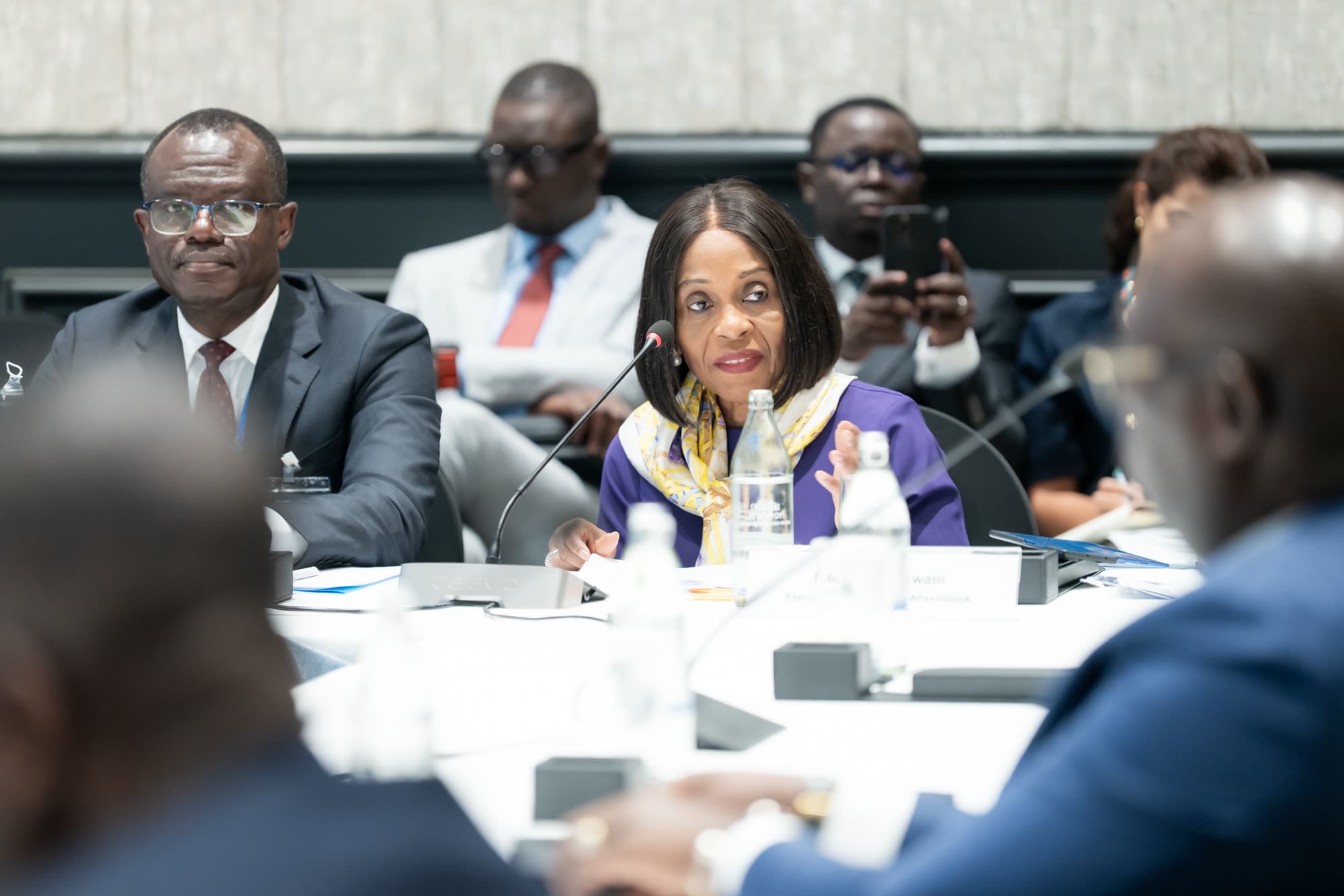
Dr Mory Soumahoro, Vice President of EBID, speaking on behalf of President Dr George Agyekum Donkor, stated: “West Africa has projects that need financing. Asian banks have the capital and experience to finance them. Our job is to bring the two together.” EBID can help identify credible borrowers and prepare transactions in infrastructure, energy, industry and trade. Kanayo Awani, Executive Vice President of Afreximbank, speaking on behalf of President Dr George Elombi, emphasised: “We have shown that Asian capital can be raised for Africa. We now need much more of it going into factories, processing plants, infrastructure and African businesses.”
3. Risk-sharing that enables lending
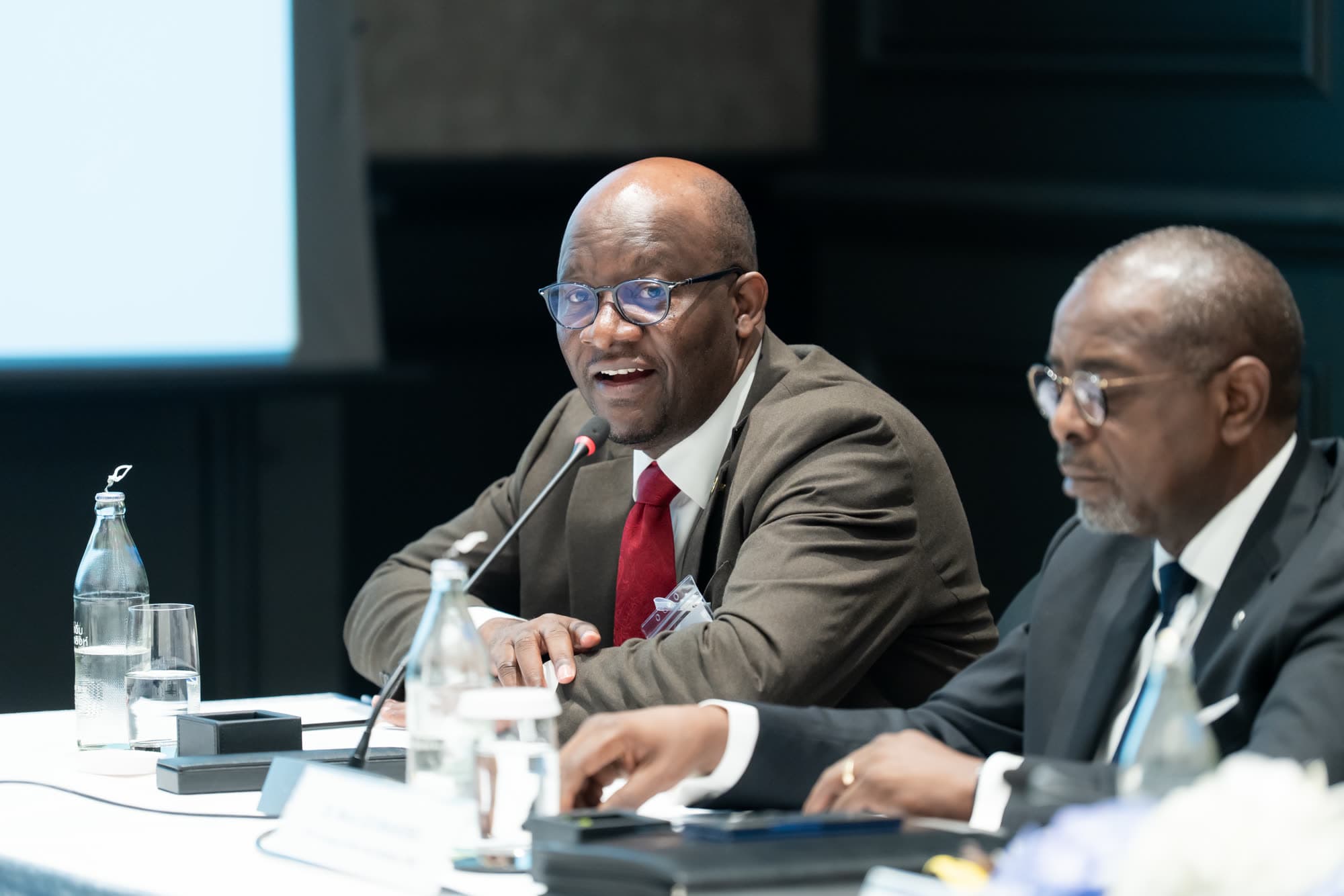
For lenders, a promising opportunity becomes financeable when its risks can be assessed, allocated and managed within credit requirements. Manuel Moses, CEO of ATIDI, explained: “Some of those risks can be insured. Others can be shared or managed through better transaction structures.” Credit and political-risk insurance, guarantees and appropriate transaction design can help bridge the financing gap, subject to eligibility, pricing and approvals.
4. Financial infrastructure and execution capability
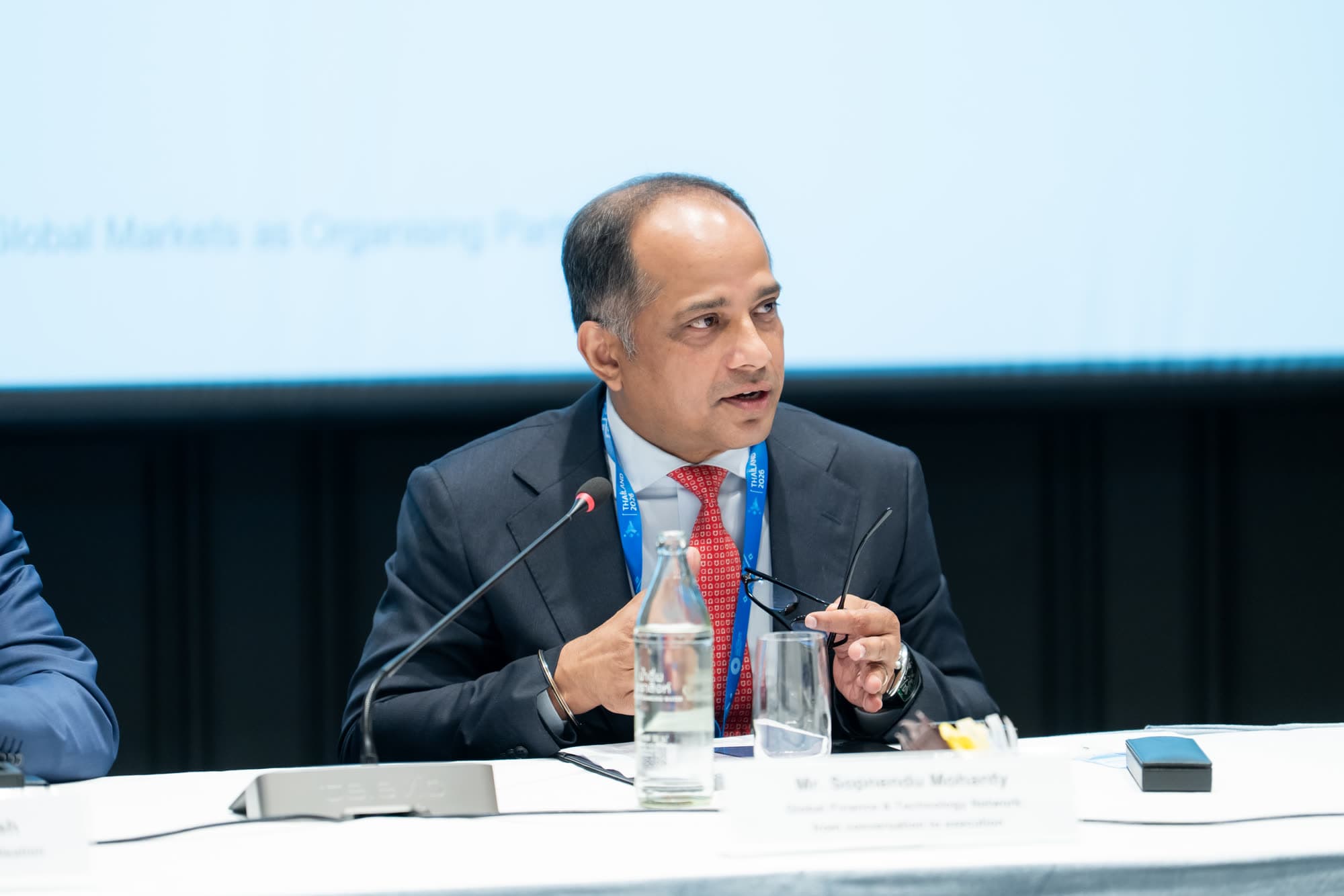
The Dialogue examined payment systems, information infrastructure and institutional cooperation. Sopnendu Mohanty, Group CEO of the Global Finance & Technology Network, observed: “Africa and Asia already do enormous business together. Their financial systems need to catch up.” He cautioned: “But technology is only useful when institutions are prepared to work together and put it into practice.” Afreximbank’s Pan-African Payment and Settlement System (PAPSS) illustrates the importance of improving cross-border settlement alongside access to finance.
The next test: from relationships to financing
Global Markets is pursuing discussions with African counterparties and institutions including MUFG, ICBC, Nomura and ATIDI on potential structures, borrower requirements and risk mitigation. As K. Duker, Founder and CEO of Global Markets, put it: “Our job is to turn those conversations into mandates, transactions and money reaching African businesses.”
The ambition is to progress a potential transaction exceeding US$1 billion within three to six months, subject to due diligence, commercial negotiation and all required institutional approvals. No disbursement, credit approval or binding commitment is implied.
The broader opportunity is to build a repeatable pathway from African financing requirements to Asian institutional capital: identify suitable projects, prepare credible information, allocate risk appropriately and secure concrete next steps.
From dialogue to deployment
Bangkok brought together institutions capable of addressing both sides of the financing equation. Its success will ultimately be judged by whether those relationships produce approved transactions that help African businesses invest, manufacture, build infrastructure and trade across borders.
Video, 3:05
West Africa-Asia Capital Dialogue | Event Highlights & Recap
- #AfricaAsia
- #DevelopmentFinance
- #AfricanInvestment
- #CapitalMarkets
- #AfCFTA
For Global Markets and EBID, the objective is clear: translate Africa-Asia commercial relationships into capital for productive African growth.
About Global Markets
Global Markets is a Singapore-based advisory and transaction-development firm connecting African financing opportunities with Asian banks, investors and financial institutions.